Key Takeaways
- Cognitive Behavioral Therapy focuses on modifying thought patterns to assist in addiction recovery.
- Traditional addiction counseling emphasizes emotional exploration and personal history for gradual healing.
- Client engagement is crucial for effective outcomes in both CBT and traditional counseling methods.
- Tailored treatment plans consider individual needs to enhance the recovery journey.
- CBT may lead to quicker outcomes for some individuals.
If you’re considering a career in addiction counseling, it’s helpful to understand the key approaches you’ll likely use — or see others using — in the field. Two of the most common are Cognitive Behavioral Therapy (CBT) and traditional addiction counseling. Both methods aim to support individuals in recovery, but they use different strategies and have different outcomes.
As a future counselor, learning these differences can prepare you to better meet your clients' needs.
What Is Cognitive Behavioral Therapy (CBT)?

CBT is a structured, short-term therapy model based on the idea that thoughts, feelings, and behaviors are connected. It helps clients recognize negative thinking patterns and change behaviors that may contribute to substance use.
Cognitive Behavioral Therapy (CBT) is a type of counseling that helps people change harmful behaviors by teaching them new ways to think and act. Studies show that CBT can help people with drug or alcohol problems, but its success can depend on things like the type of substance used, how long the treatment lasts, and personal factors. For example, one study looked at 34 different trials and found that people who did CBT had 15% to 26% better results than those who didn’t get any treatment. Also, about 60% of people who used CBT to help with addiction were still in recovery a year later. CBT works even better when combined with other treatments, like medication or support groups. Overall, CBT is a proven and helpful method for treating substance use problems. (CF: PMC)
CBT may include:
- Identifying “automatic” thoughts that trigger unhealthy behaviors
- Teaching coping skills and problem-solving techniques
- Setting behavior-based goals with measurable progress
- Helping clients develop self-awareness and emotional regulation
This evidence-based approach is supported by research and is often used in clinical and outpatient settings.
What Is Traditional Addiction Counseling?

Traditional addiction counseling typically focuses on:
- Exploring the emotional and psychological roots of addiction
- Building a strong therapeutic relationship over time
- Providing emotional support and space for self-reflection
- Facilitating group work and peer-based support
This method may include talk therapy, narrative therapy, or 12-step-oriented models. It often emphasizes personal history and past trauma, which can be valuable for clients needing long-term healing.
Comparing the Two Approaches
| Aspect | CBT | Traditional Counseling |
| Focus | Thoughts, behaviors, coping strategies | Emotional insight, personal history |
| Structure | Highly structured and short-term | Flexible and often long-term |
| Tools | Worksheets, behavior tracking, skills training | Talk therapy, support groups |
| Therapist Role | Teacher/coach | Guide/supporter |
As a future addiction counselor, you may use elements of both depending on the setting you work in and each client's unique needs.
Why CBT Is Important in the Field

CBT has been shown to help individuals:
- Reduce substance use and related behaviors.
- Build skills for managing stress and triggers.
- Increase their confidence in staying sober.
- Improve mental health alongside recovery.
Understanding CBT gives you a flexible and practical toolset for supporting clients in a structured way—especially useful in the early stages of recovery.
Where Traditional Counseling Still Matters

Traditional counseling offers:
- Emotional safety for trauma exploration
- A space for long-term relationship building
- Opportunities for self-discovery and motivation
These elements can be essential for clients with complex personal histories, co-occurring disorders, or deep-rooted emotional issues.
Your Role as a Counselor-in-Training
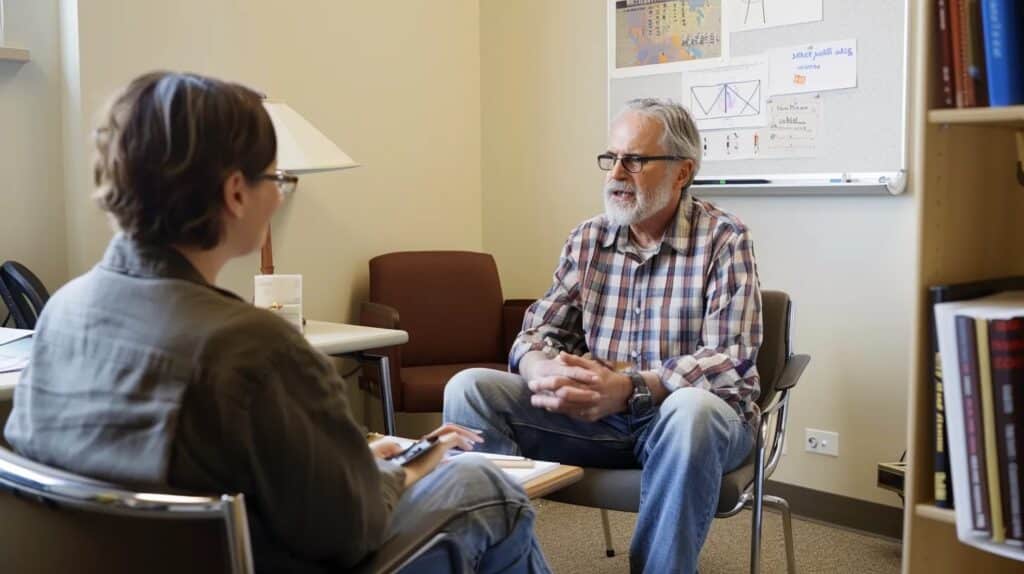
At InterCoast, you’ll gain exposure to both CBT and traditional counseling principles. Through education and hands-on training, you’ll learn how to:
- Assess client needs
- Choose the right approach (or combination of approaches).
- Build rapport.
- Help clients develop lasting skills for recovery.
Being adaptable and informed is one of the most important skills a counselor can bring to the field.
Final Thought
CBT and traditional addiction counseling are not either/or choices — they’re part of a broader counseling toolkit. As a future addiction professional, understanding both will help you better support your clients, wherever they are in their recovery journey.
Want to learn more about training to become an addiction counselor? Click here to learn more about InterCoast’s programs.